States Use Federal Funds to Recruit Rural Healthcare Workers Amid Service Commitment Concerns
Thirty-eight states plan to utilize funds from the $50 billion Rural Health Transformation Program to incentivize healthcare providers to practice in rural communities. While the initiative aims to alleviate severe workforce shortages, it mandates a five-year service commitment that experts warn may be unrealistic for many professionals facing personal or medical hardships.
Thirty-eight states, including Hawaii, plan to use a portion of the $50 billion allocated under the Rural Health Transformation Program to incentivize healthcare providers to practice in rural areas. The program, established by President Donald Trump’s One Big Beautiful Bill Act, requires recipients of these incentives to commit to practicing in designated rural locations for at least five years.
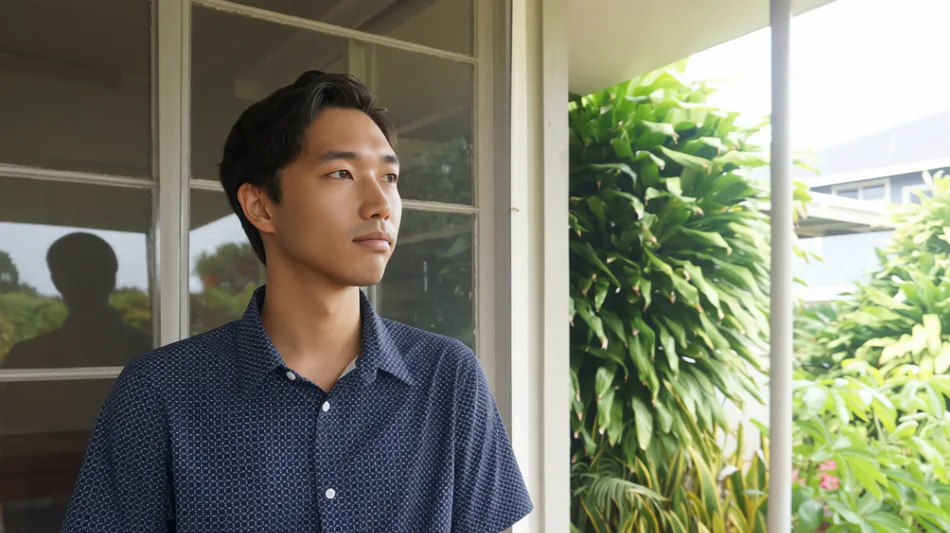
The federal mandate exceeds the service requirements of many existing state programs. For instance, Dylan Lawton, a third-year medical student from Hawaii, is bound by a four-year commitment through the University of Hawaii’s medical school program, which covers his tuition in exchange for practicing on the island of Kauai after residency. However, Lawton’s ability to fulfill any service obligation has been complicated by a recent diagnosis of stage 4 lung cancer that had spread to his brain.
Lawton discovered he was ill while completing a clinical rotation on Kauai, an island that lacks neurosurgeons. He was medically evacuated to Straub Benioff Medical Center on Oahu for treatment. Despite being from Oahu, Lawton chose the rural training track because of his family’s history on Kauai and his awareness of the island’s healthcare deficits; his uncle had previously needed to travel off-island for cancer care.
Lawton noted that he is experiencing the very shortage he was trained to address. He currently relies on a single full-time oncologist who practices outside the hospital system where he receives treatment. Because his cancer is incurable, he requires monthly specialist care, likely necessitating continued residence on Oahu or elsewhere rather than returning to Kauai as originally planned.
The Rural Health Transformation Program identifies workforce development as a primary goal, aiming to address shortages affecting more than 100 million people nationwide. According to the federal Health Resources and Services Administration, rural areas account for 62% of locations with primary care professional shortages.
States are employing various strategies beyond direct financial incentives to fill these gaps. Wisconsin, Idaho, and Kansas are developing programs targeting middle school students to create pathways into health careers. Rhode Island is using funds to renovate housing for healthcare workers. Hawaii estimates a shortfall of 833 physicians, ranking 36th in the nation for primary care providers per capita in 2025.
Hawaii is using federal funds to expand recruitment initiatives, including the Kauai Medical Training Track. This program, supported by Facebook founder Mark Zuckerberg and his wife Priscilla Chan, provides up to $200,000 to selected healthcare workers who agree to practice in rural Hawaii for at least five years. The program aims to integrate students into the community early through mentorship and housing arrangements.
Travis Hong, who runs the Kauai training track, emphasized the importance of building community ties to ensure retention. He stated that the goal is to create providers who feel connected to the island’s residents and patients, thereby increasing the likelihood they will return after residency.
However, critics argue that the federal five-year requirement is too rigid. A report by the Bipartisan Policy Center questioned the effectiveness of the mandate, particularly for lower-paid professionals such as behavioral health support specialists or community health workers. Maya Sandalow, director of the organization’s health program, noted that the commitment may be disproportionate to the level of award received.
The report highlighted disparities in training requirements. For example, Michigan is offering scholarships to students training as emergency medical service professionals. Despite requiring less training than physicians, these students will face the same five-year service obligation.
Retention data suggests long-term commitments are difficult to maintain even after the initial period ends. A federal report indicated that while approximately 80% of National Health Service Corps participants continue working in health professional shortage areas one year after their service, fewer than half remain in the same county. Retention rates drop further in years two and three.
Donald Pathman, a professor at the University of North Carolina School of Medicine who studies workforce incentives, pointed to flexibility provisions in the Rural Health Transformation Program. Participants may move within a state as long as they remain in rural areas, and states have significant discretion in designing their incentive programs. Pathman noted that while there is no heavy federal hand, the risk lies in whether individual states can implement these programs effectively.
The Centers for Medicare & Medicaid Services, which oversees the program, declined to comment on the five-year requirement.
The legislation also capped federal loans for graduate professional education at $50,000 annually, or $200,000 in total. Healthcare experts warn that this cap may make it harder for students to enter the industry without workforce incentive programs to offset costs.
For Lawton, the intersection of personal health and professional obligation remains unresolved. He has taken a year off medical school for chemotherapy and is now in remission. He is working with his medical school to determine options for fulfilling his service requirement while managing his condition. He recently submitted residency applications for internal medicine, a specialty not available on Kauai.
Lawton stated that he will try his best to stay in Hawaii as much as possible, regardless of the outcome.
R.Santoro--GdR