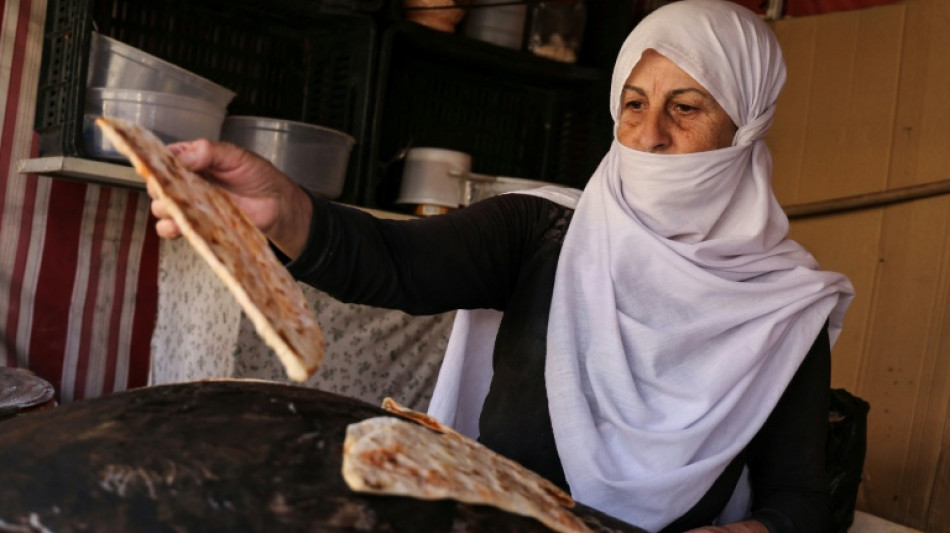
Isolated Syrian-Druze city blames Damascus for shortages / Photo: SHADI AL DUBAISI - AFP
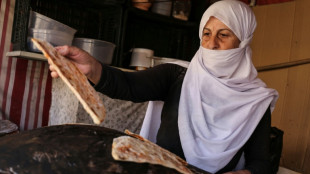
In her bakery, Hoda Kiwan impatiently awaits flour and fuel, which have become scarce in southern Syria's Sweida, the Druze-majority city still outside Damascus' control.
"I am suffering from a shortage of gas and flour, especially after the road was cut off, but there is nothing I can do," the 59-year old said, her hair wrapped in the Druze white headscarf as she prepares potato pastries.
In July 2025, clashes erupted in Sweida between Druze factions and Bedouin fighters, then government security forces and some tribal groups intervened on the side of the Bedouins.
More than 2,000 people were killed, including 789 Druze civilians, according to the Syrian Observatory for Human Rights watchdog.
A committee set up by the Syrian government said it had documented the killing of 1,760.
At the time, government forces and their allies were accused of executing civilians and of other abuses, and last month Damascus said it had begun trying suspects over the violence.
Israel, which also has a Druze population, intervened during the clashes, with strikes in Sweida. Damascus and government forces withdrew from the city, leaving a fragile ceasefire in place.
Sweida city and its surroundings now find themselves isolated, with the road to the capital sporadically closed, according to an AFP correspondent in the city.
Syria's government denies closing the road and says it is not imposing a siege, but residents still fear heading to government-held areas.
The Syrian Observatory for Human Rights, an independent watchdog, and local sources have reported restrictions on the entry of trucks and goods into the city.
Amer Rashid, 30, complained that residents lack "the bare necessities of fuel, food and household appliances ... nothing is allowed into Sweida".
"They say there are rogue militias in Sweida, but why are you targeting the entire province? What about the children? What about the disabled and the sick who need medicine? You've even imposed a blockade on medicine?"
Druze armed groups hostile to Damascus now control parts of Sweida province, including the regional capital.
The most powerful one operates under spiritual leader Hikmat al-Hijri, who has been pushing for full independence from Syria and has gone as far as saying his community was "an integral part of Israel".
- 'Cut off' -
Tensions have remained high for more than a year. School students were unable to sit official exams in parts of Sweida under government control, with Damascus and Druze groups trading blame over the issue.
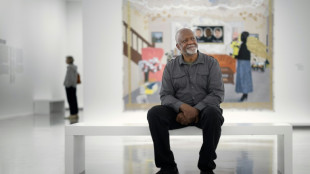
Adham al-Qutaini, 52, stands helplessly in his carpentry workshop, surrounded by unfinished pieces of wood due to power outages.
"After the power cuts ... my livelihood has been cut off," he told AFP. "I have rent to pay, children to care for, and school fees to cover"
Residents have had to deal with frequent, lengthy power cuts for more than a year. At the start of the month Sweida was entirely without power for ten days. They accuse Damascus of using them as a pressure tactic.
- 'Constant anxiety' -
Syria's recent decision to hike fuel prices has weighed heavily on the province, which was already suffering from fuel shortages.
"The increase in fuel prices has affected us greatly, and the high price of gasoline has directly impacted our work," taxi driver Jamal Deeb, 52, said.
The hardships come amidst the absence of a political solution for the province, although Syria, Jordan and the United States had announced a roadmap for Sweida last year.
Residents are now left be feel constantly unsafe.
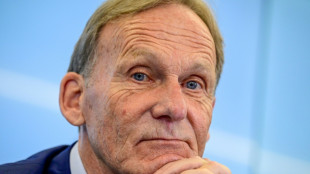
"I have been living in constant anxiety," Mounif Rashid, 52, said from his home.
"With every breach of the ceasefire, my daughter, who lives with her mother on the outskirts of the city, calls me, her voice trembling with fear of a new attack."
S.Monti--GdR