Joy, scepticism across west Africa after UN vote on slave trade / Photo: Nipah Dennis - AFP/File
Ghanaians in the streets of the capital Accra were full of pride -- and already looking toward future "justice" -- Thursday after the United Nations recognised the transatlantic slave trade as "the gravest crime against humanity."
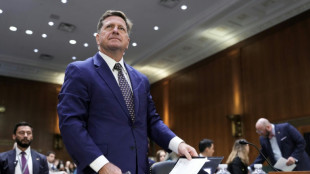
The day prior, the resolution -- pushed for by Ghanaian President John Mahama, who travelled to New York for the vote -- was adopted to applause by a 123 in favor.
"It's not just a historic moment for us as a country, but it also validates the suffering of our ancestors and opens the door for justice," said Abigail Selikem Teye, a casually dressed student with a handbag slung over her shoulder.
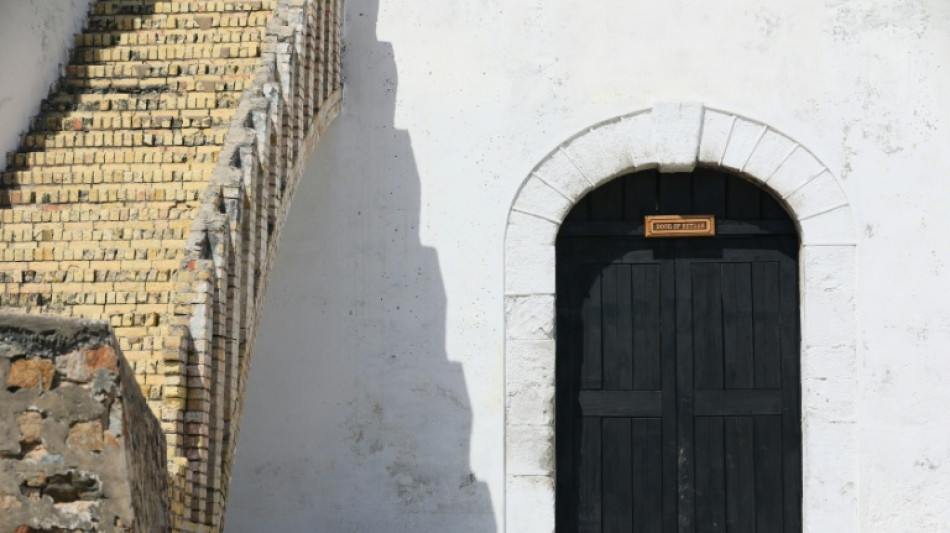
The excitement was also evident in nearby Benin, which, like Ghana, has leaned into its painful past to encourage tourism and offer citizenship for descendants of slavery.
West and central Africa were devastated by the transatlantic slave trade, which from the 16th to 19th century saw millions of men, women and children shipped to the Americas to work in brutal -- and often deadly -- conditions.
In many of those same countries, black people continue to face discrimination and poverty today.
"This vote allows us to name things without fear of reprisals. The next step will, I hope, be an uninhibited call for reparations," said Ousmane Aledji, a Beninese writer in Cotonou, who told AFP he followed the vote "with much interest."
Others in the country's economic capital, like art historian Lylly Houngnihin, were "disturbed by the abstention of certain countries -- those which were the most enriched by the crime".
- 'Africa has suffered' -
Despite being non-binding the vote at the General Assembly headquarters in New York was contentious.
The United States, Israel and Argentina opposed the measure, while 52 member states abstained.
Critics including France said the resolution's designation of the transatlantic slave trade as "the gravest" crime "risks pitting historical tragedies against each other".
It also comes, however, as countries like the United States have been criticised for restricting education on slavery and black history.
The resolution did not mention other slave routes in Africa, including across the Sahara Desert or Indian Ocean.
But it singled out the transatlantic trade's duration, brutality of the "racialised chattel enslavement of Africans" -- as well as present-day consequences including "the persistence of racial discrimination and neo-colonialism".
It did not explicitly demand reparations, though it "encourages member states to support initiatives aimed at reparatory justice".
Many argue Africa is still living with the slave trade's dire consequences.
"Who will pay for all the problems this caused? Africa has unfortunately suffered the two greatest scourges in history: slavery and colonization," said Franck Ogou, director of a pan-African heritage preservation programme in Porto Novo.
Larissa Adjivon, a 42-year-old Beninese entrepreneur, told AFP: "Recognition is good, but concrete actions should follow."
"We talk about reparations or restitution, but for me, the question is, what does this change for Africa today?"
- 'Return' to Ghana, Benin -
For Obadele Bakari Kambon, if "enslavement in totality is the wound," then the "healing part of it comes through repatriation."
The African American professor became a Ghanaian citizen in 2016, part of a wave of black people from the United States and elsewhere that Ghana has pushed to "return" to the country.
In recent years, more than 1,000 people have reclaimed citizenship as the country has also encouraged tourism as a way for people to learn about slavery -- and for some, their direct family heritage.
At the end of last year, Benin also launched a citizenship programme for members of the African diaspora.
burs-fvl/nro/giv
M.Ferraro--GdR