Stocks extend gains, oil sinks as US, Israel, Iran press on strikes / Photo: JULIEN DE ROSA - AFP
Oil prices sank Wednesday after Iraq said it had resumed exports through Turkey, avoiding the effectively closed Strait of Hormuz, while equities rose following another tech-led advance on Wall Street.
The drop in crude, which saw US benchmark West Texas Intermediate plungemore than four percent, came even as the United States hit Iranian missile sites near the key Strait of Hormuz and Tehran struck crude-producing Gulf neighbours.
While the war in the Middle East shows no sign of ending and oil has stuck around $100 a barrel -- threatening to fuel a fresh inflation spike -- equity traders have shifted back into the market after the steep losses suffered at the outset of the conflict.
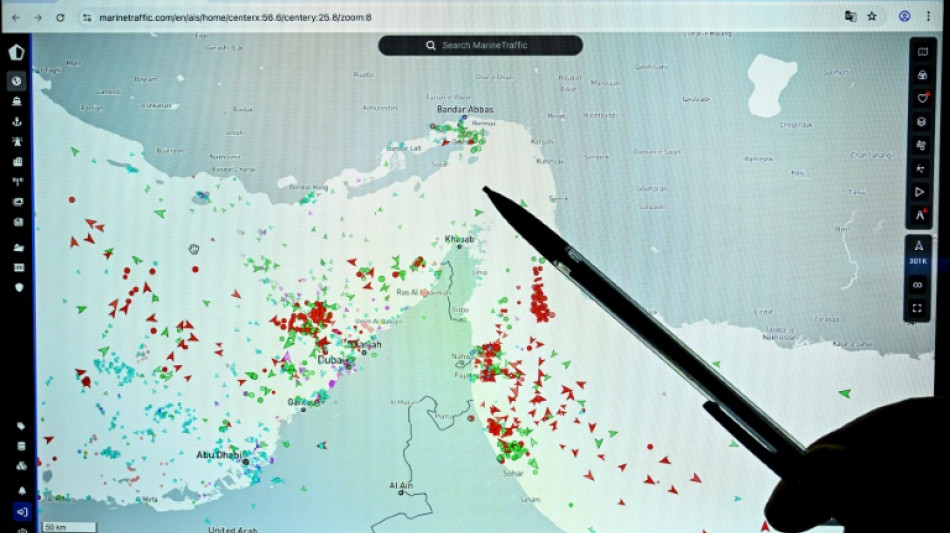
However, analysts warned the positive mood could fade if the crisis drags on and energy costs spiral with Hormuz -- through which a fifth of global oil and gas flows -- virtually closed by Iran as an economic weapon.
That comes with central banks weighing the need for lower interest rates to support the economy and the prospect of rising prices, which would need higher borrowing costs.
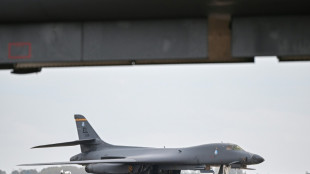
In a bid to ease traffic through the crucial Strait, US forces dropped several 5,000-pound (2,250-kilogram) bombs on "hardened Iranian missile sites" near the coast, Central Command said.
US President Donald Trump fumed on Tuesday that allies, which have largely distanced themselves from his war, were not lining up to help escort tankers through the waterway.
The attacks came as Israel announced it had killed security chief Ali Larijani, a key force leading Iran since the death of Supreme Leader Ayatollah Ali Khamenei in the first strikes of the war.
Meanwhile, Saudi Arabia intercepted six drones and Kuwait's air defences responded to a rocket and drone attack, two people were killed by missiles near Tel Aviv and Qatar said it intercepted a missile attack as blasts were heard in Doha.
Israel also hit a central Beirut neighbourhood as it looks to take out the Iran-backed Hezbollah.
Rystad Energy estimated just 12.5 million barrels per day of Middle Eastern oil remains online, down from the 21 million per day pre-war base.
"But the 12.5 million bpd (barrels per day) figure is not secure," Rystad said.
"If the (Hormuz) situation persists, the drop in departures could start feeding through into additional export losses in the weeks ahead, as producers face growing difficulty moving crude out of the Gulf."
Still, oil prices fell as Iraq said it had resumed limited oil exports through Turkey.
State-owned North Oil Company said it "has begun operating the Sarlo pumping station to resume pumping and exporting Kirkuk oil to the port of Ceyhan with an initial capacity of 250,000 barrels per day".
West Texas Intermediate lost more than four percent to strike just below $92, while Brent shed almost three percent to just above $100. Both pared the losses.
Stocks continued to defy gravity following gains on Wall Street that were helped by tech giants including Apple and Amazon.
Seoul jumped more than five percent thanks to a surge in chip giants Samsung and SK hynix. The Kospi, however, is still more than six percent down from the record highs touched before the war broke out.
Tokyo was up 2.9 percent, while Hong Kong, Shanghai, Taipei, Sydney, Singapore, Mumbai, Bangkok and Wellington also rallied.
London, Paris and Frankfurt also extended gains at the open.
"Asia is picking up the baton with a cautiously constructive tone... all of it leaning on the signal from Wall Street where the S&P and Nasdaq have now strung together a second day of gains, suggesting the market is actively choosing to look through the geopolitical noise," wrote SPI Asset Management's Stephen Innes.
However, Fawad Razaqzada at Forex.com warned that traders might rethink their positions the longer the conflict rumbles on.
"If the war continues, then the US and Israel will have to continue alone, because other NATO members have decided against joining the conflict," he wrote.
"This may work in favour of Iran keeping the Strait of Hormuz closed for longer."
Focus is also on the US Federal Reserve's policy meeting that concludes later Wednesday.
The bank is expected to keep borrowing costs on hold but it will release its "dot plot" forecast for rates in the coming months, amid speculation it could be forced to hike again.
- Key figures at around 0815 GMT -
Brent North Sea Crude: DOWN 1.4 percent at $102.00 per barrel
West Texas Intermediate: DOWN 2.8 percent at $93.48 per barrel
Tokyo - Nikkei 225: UP 2.9 percent at 55,239.40 (close)
Hong Kong - Hang Seng Index: UP 0.6 percent at 26,025.42 (close)
Shanghai - Composite: UP 0.3 percent at 4,062.98 (close)
London - FTSE 100: UP 0.3 percent at 10,432.25
Euro/dollar: DOWN at $1.1525 from $1.1536 on Tuesday
Pound/dollar: UP at $1.3355 from $1.3352
Dollar/yen: DOWN at 158.77 yen from 159.05 yen
Euro/pound: DOWN at 86.32 pence from 86.38 pence
New York - Dow: UP 0.1 percent at 46,993.26 (close)
V.Bellini--GdR