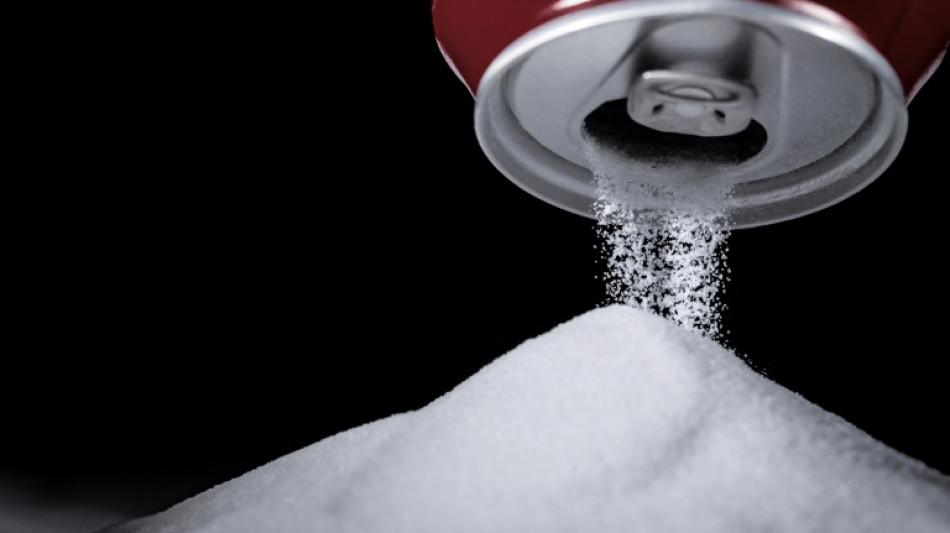
WHO says sugary drinks, alcohol getting cheaper, should be taxed more / Photo: JOEL SAGET - AFP
Sugary drinks and alcohol are getting relatively cheaper, the World Health Organization said Tuesday, urging countries to hike taxes to reduce consumption levels and boost health funding.
The WHO said consistently low taxes on the products in most countries were fuelling obesity, diabetes, heart disease and cancers.
"Weak tax systems are allowing harmful products to remain cheap while health systems face mounting financial pressure from preventable non-communicable diseases," the UN health agency said.
The organisation said that while such drinks generate billions of dollars in profit, governments capture a relatively small share of that through health-driven taxes, leaving societies to bear the long-term health and economic costs.
"Health taxes are one of the strongest tools we have for promoting health and preventing disease," WHO chief Tedros Adhanom Ghebreyesus said in a statement.
"By increasing taxes on products like tobacco, sugary drinks, and alcohol, governments can reduce harmful consumption and unlock funds for vital health services."
Tedros told a press conference that in poorer countries left struggling as aid funding dries up, such taxes could help make the transition towards sustainable self-reliance in running health systems.
- 'Powerful industries with deep pockets' -
Jeremy Farrar, WHO assistant director-general in charge of health promotion, disease prevention and care, said the evidence on tobacco taxation reducing consumption was clear -- and sugary drinks should be seen in the same light.
"This is also about using taxation as a move to shift behaviour," he said, adding it could also bolster prevention in countries struggling to deal with the rise in non-communicable diseases, and allow countries to invest in healthcare.
Tedros warned that health taxes were not simple to implement.
"They can be politically unpopular, and they attract opposition from powerful industries with deep pockets and a lot to lose," he told reporters.
"But many countries have shown that when they are done right, they are a powerful tool for health," he said, citing measures in the Philippines, Britain and Lithuania.
The WHO is urging states to raise and redesign their taxes as part of its "3 by 35" initiative, aimed at increasing the prices of tobacco, alcohol and sugary drinks by 2035.
E.Mazza--GdR