US to limit stays of students, journalists / Photo: SAUL LOEB - AFP
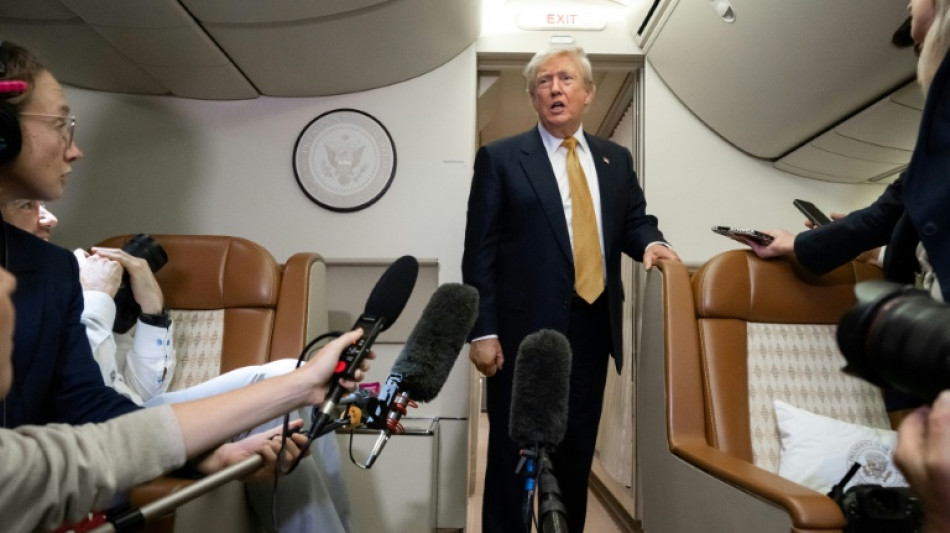
President Donald Trump's administration finalized rules Thursday that impose stricter limits on how long foreign students and journalists can stay in the United States, the latest bid to tighten legal immigration in the country.
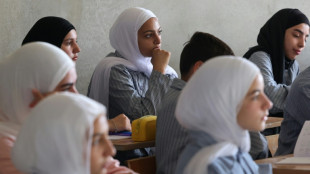
Under a change that could be implemented as soon as September, foreigners on student visas would be admitted for the length of their academic program up to a maximum of four years.
Foreign journalists would be limited to stays of just 240 days, or around eight months, but could apply for extensions of similar duration. Chinese nationals would get just 90 days, with extensions of 90 days.
The move forms part of a broader immigration crackdown that Trump has made a centerpiece of his presidency, spanning aggressive enforcement operations in major cities as well as new restrictions on legal pathways to citizenship.
Media rights groups assailed the new rules, with Reporters Without Borders (RSF) telling AFP on Thursday it was "outraged" over the limitations.
"This change destroys international journalists' ability to report from the US and makes it extremely difficult for international outlets to operate here at all," warned RSF North America advocacy manager Ben Grazda.
The group urged the US Congress to act to ensure foreign journalists may work freely in the country.
The Committee to Protect Journalists called the move "the behavior of a backsliding democracy," and the latest in "a pattern of deeply concerning press freedom violations from this administration."
The Department of Homeland Security received close to 22,000 public comments after proposing the student and journalist rules in August 2025, but finalized it largely unchanged.
When it proposed the rule, DHS alleged that non-Americans were indefinitely extending their studies so they could remain in the country as "forever students."
The department said the open-ended system, in place for students since the late 1970s, had undermined its ability to monitor visa holders.
The United States welcomed more than 1.1 million international students in the 2023-24 academic year, more than any other country, contributing more than $50 billion to the US economy in 2023, according to official data.
Higher education groups had denounced the proposal as a needless bureaucratic hurdle that would deter talented students, with the Presidents' Alliance on Higher Education and Immigration warning it "weakens the ability of US colleges and universities to attract top talent."
Universities have already reported lower international enrollments after earlier Trump administration actions, including the revocation of thousands of student visas and suspension of billions of dollars in federal research funding.
Media organizations and international stakeholders, including the Embassy of Japan, urged DHS to allow admission periods of two to five years for correspondents posted to US bureaus.
The department rejected the proposals, along with requests for expedited processing and capped fees for journalists.
Trump proposed similar limits at the end of his first term, but his successor Joe Biden scrapped the idea.
The rule is subject to review by the Republican-led Congress.
M.Russo--GdR